MENU

Product Center
About Us
A national high-tech enterprise integrating research and development, design, production, sales, and customized services

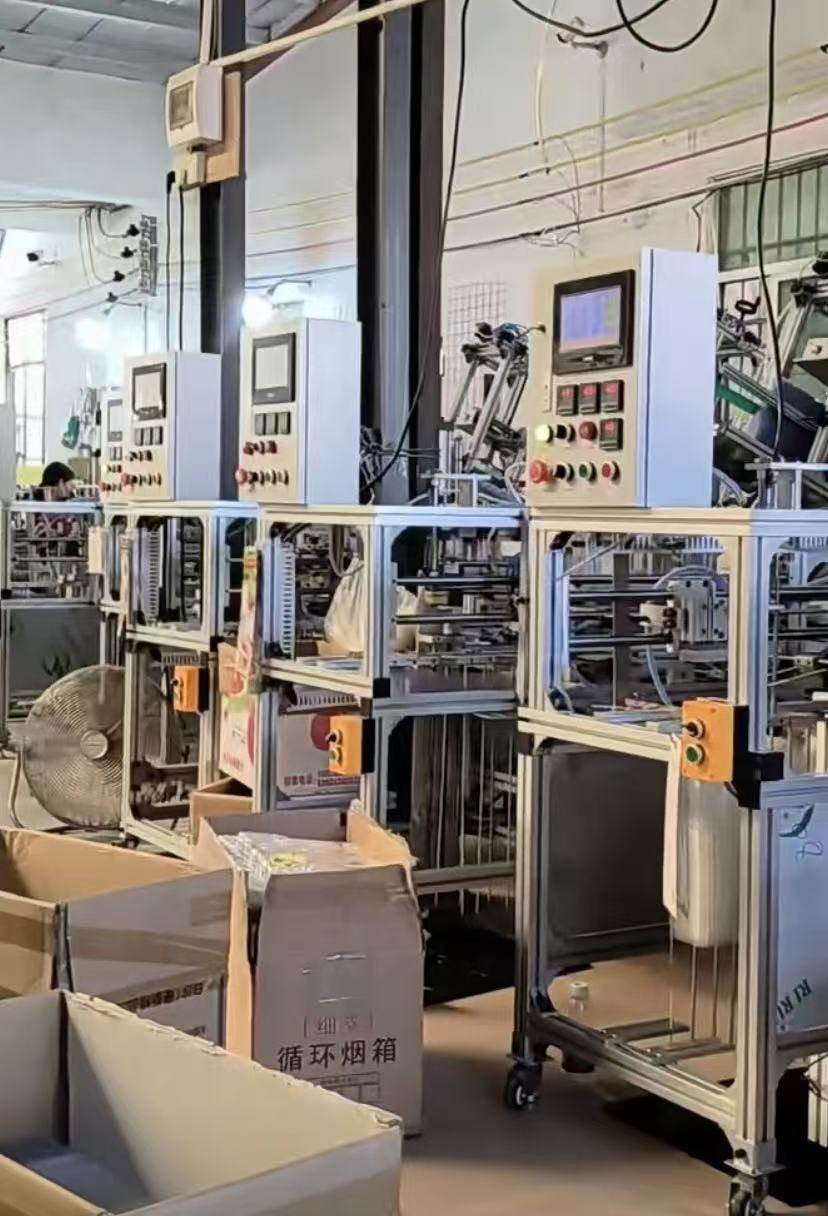
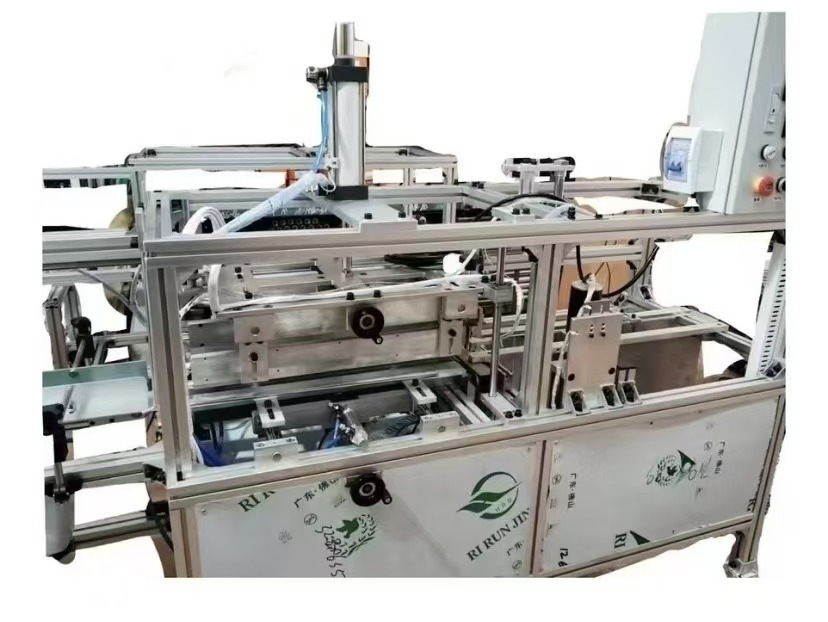
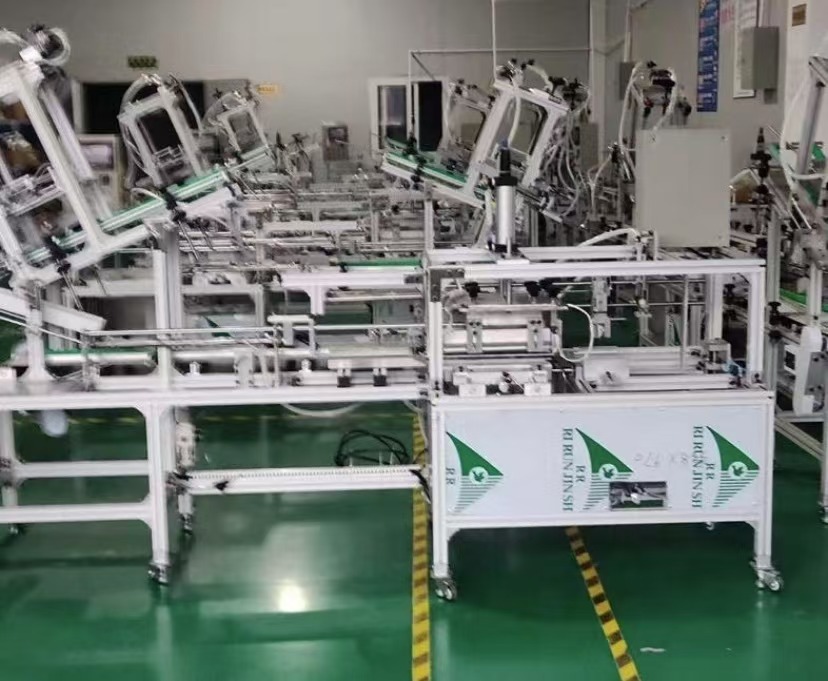
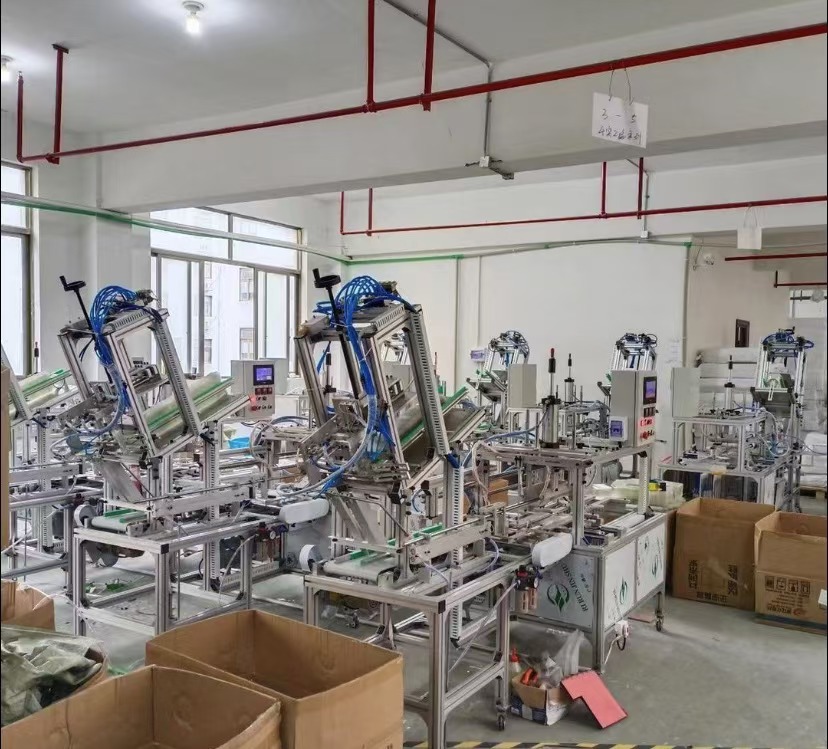
Dongguan Mayue Intelligent Equipment Co., Ltd. is located in Dongguan, Guangdong, the beautiful manufacturing capital of China. The company was established in November 2014 and has now established three business units: Environmental Protection Equipment Business Unit, Automation Product Customization Business Unit, and Fully Automatic Vacuum Forming and Folding Machine Business Unit. We are a professional company mainly engaged in the research and development, production, sales, technical support...

Create High-Quality Products

Home installation & lifetime maintenance

Professional team | Comprehensive after-sales service
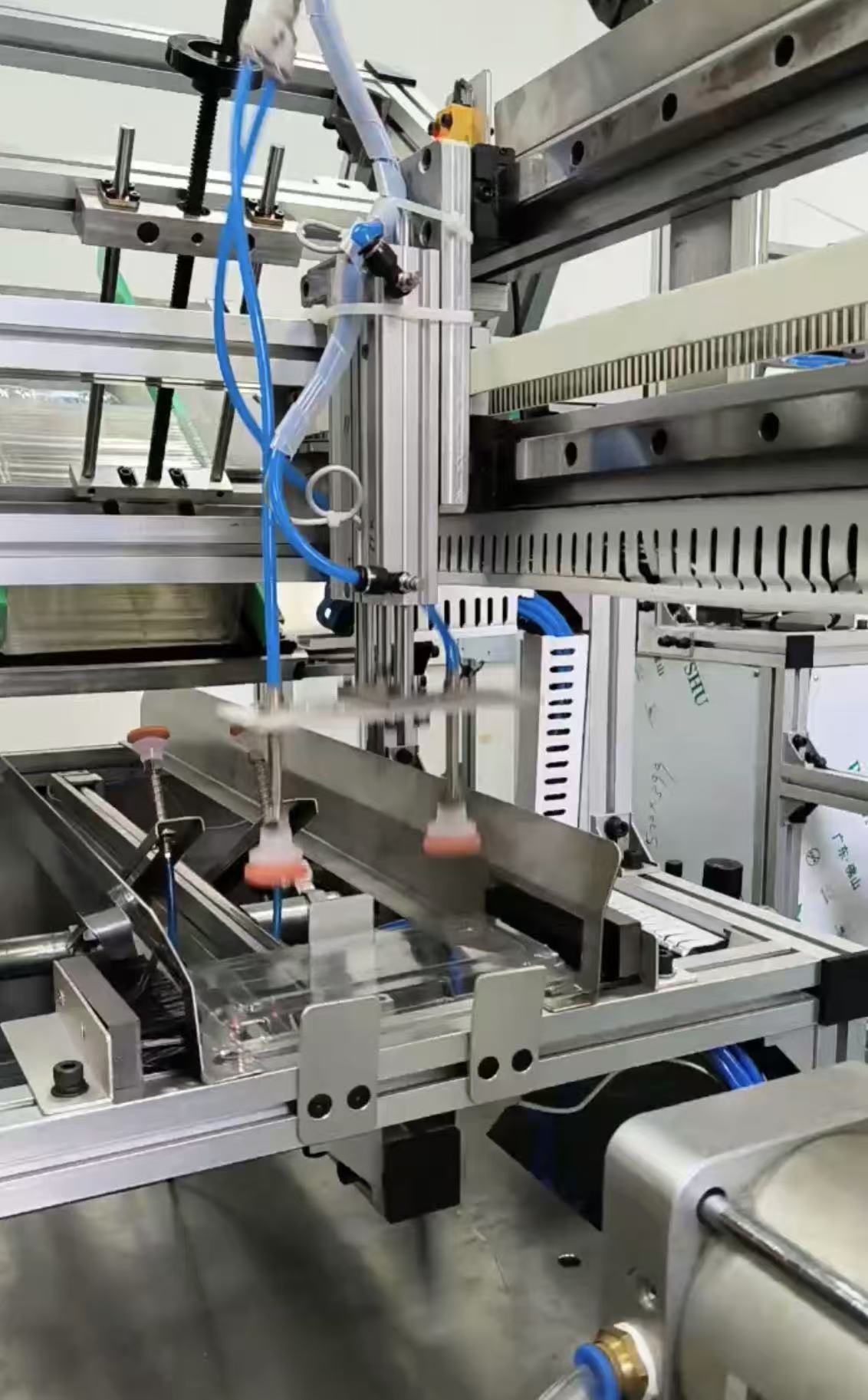
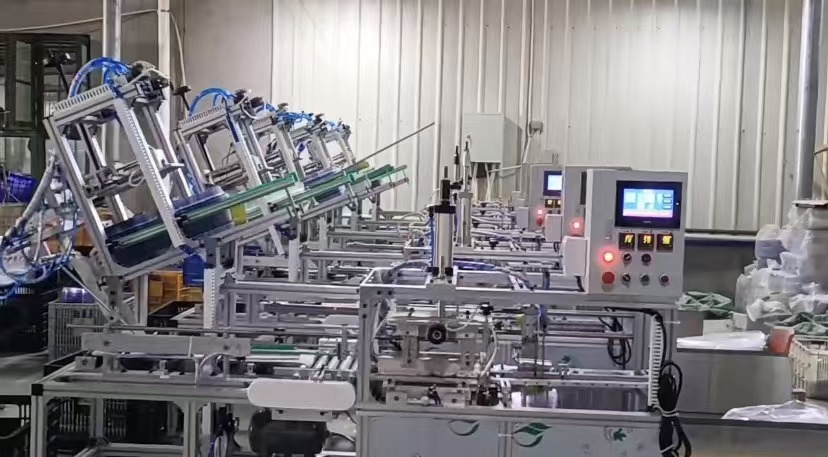
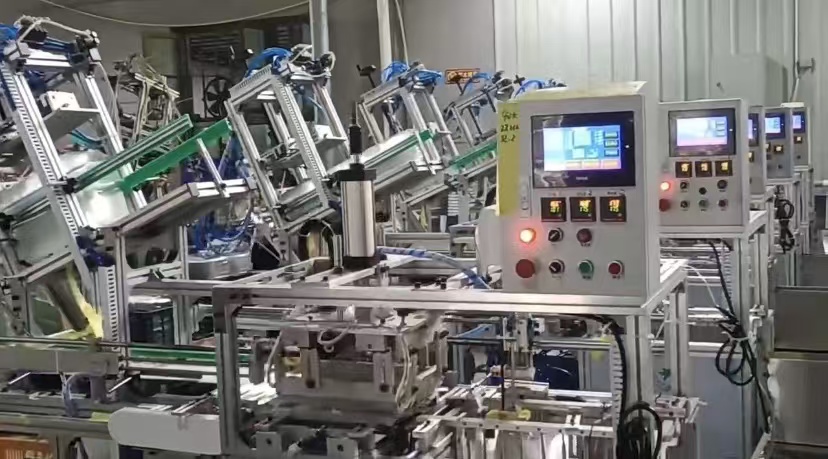
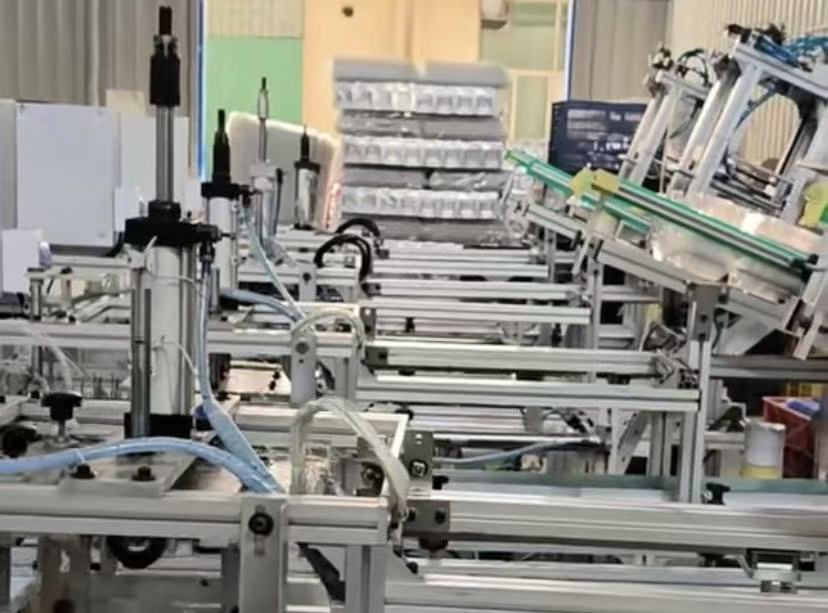
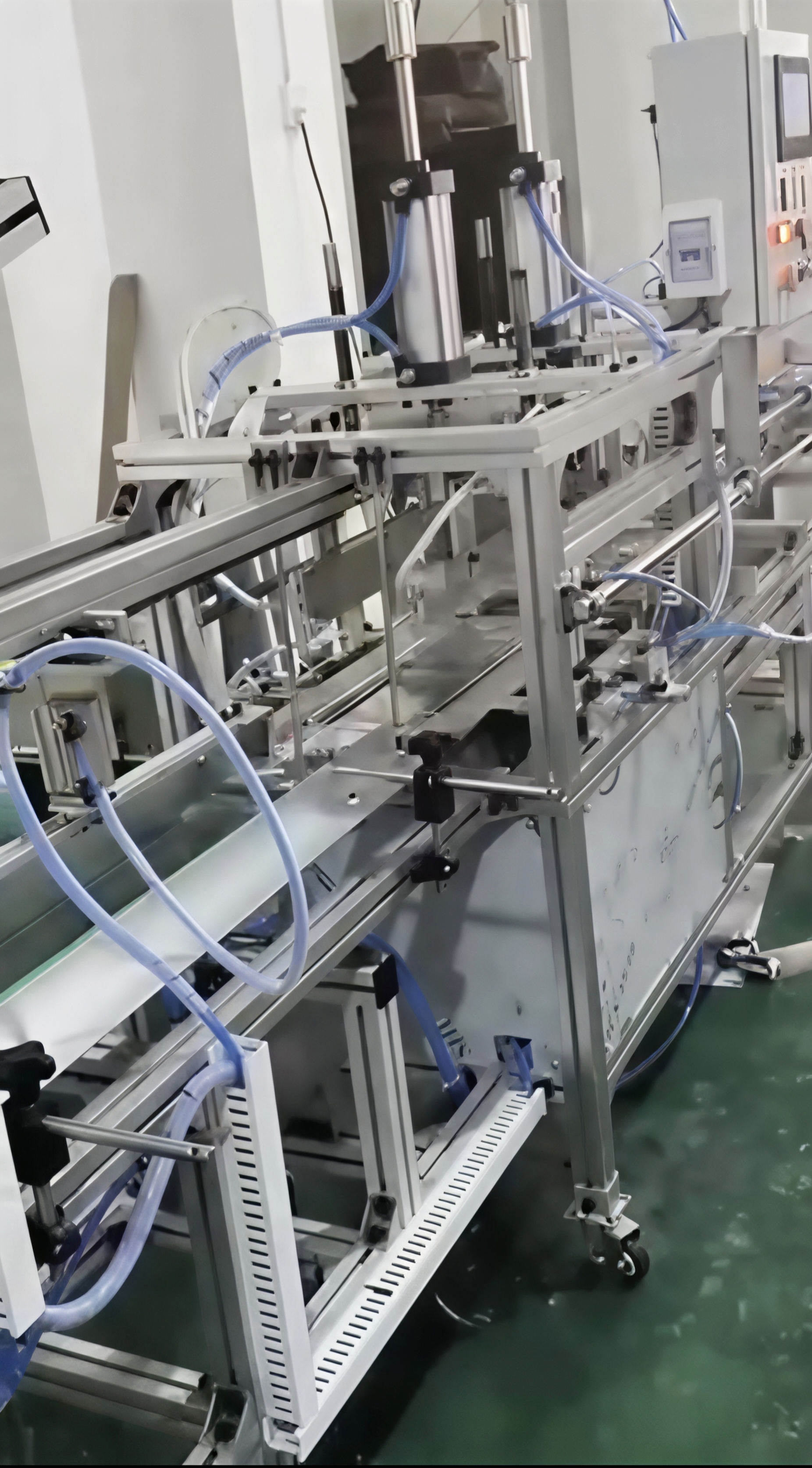
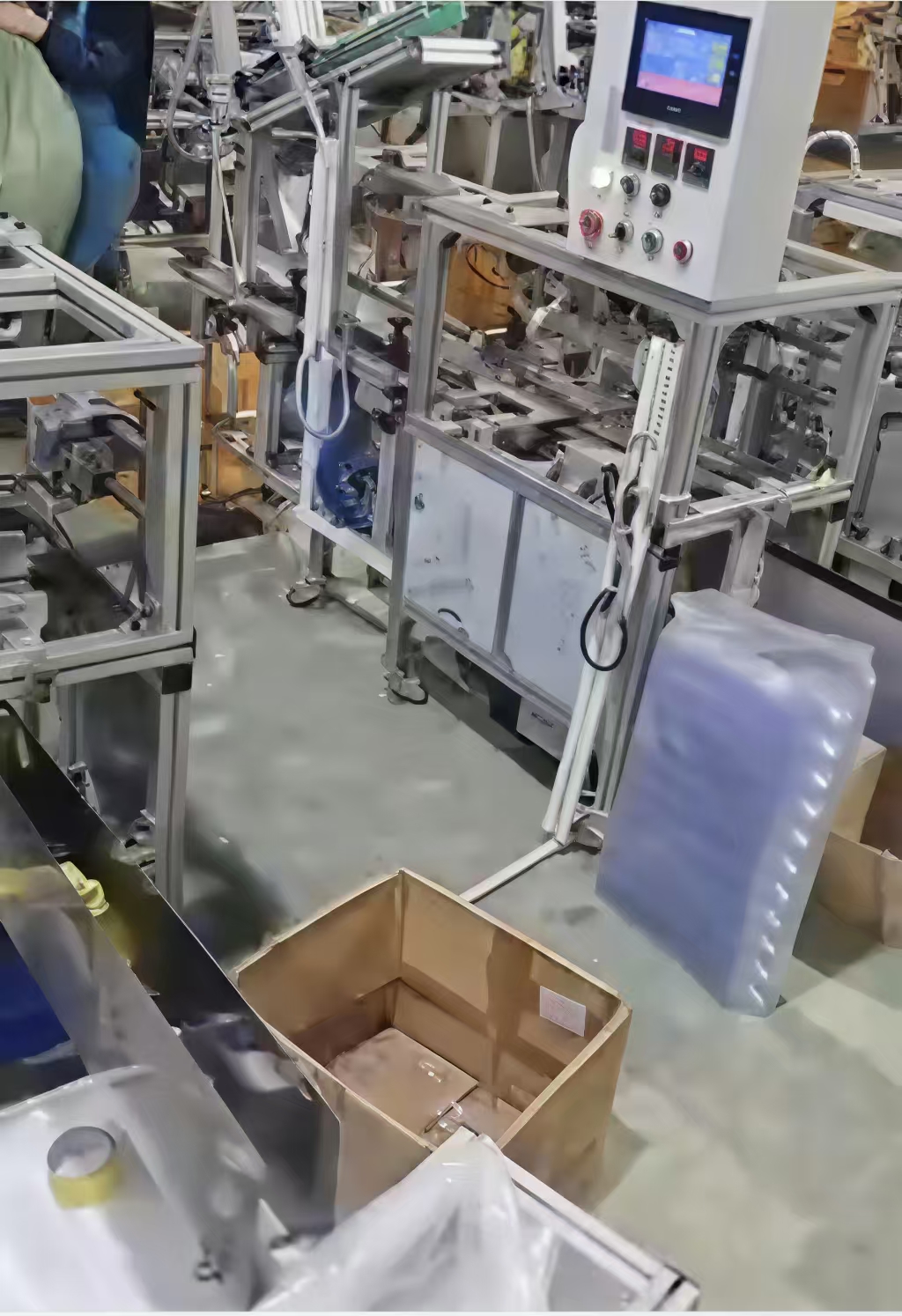
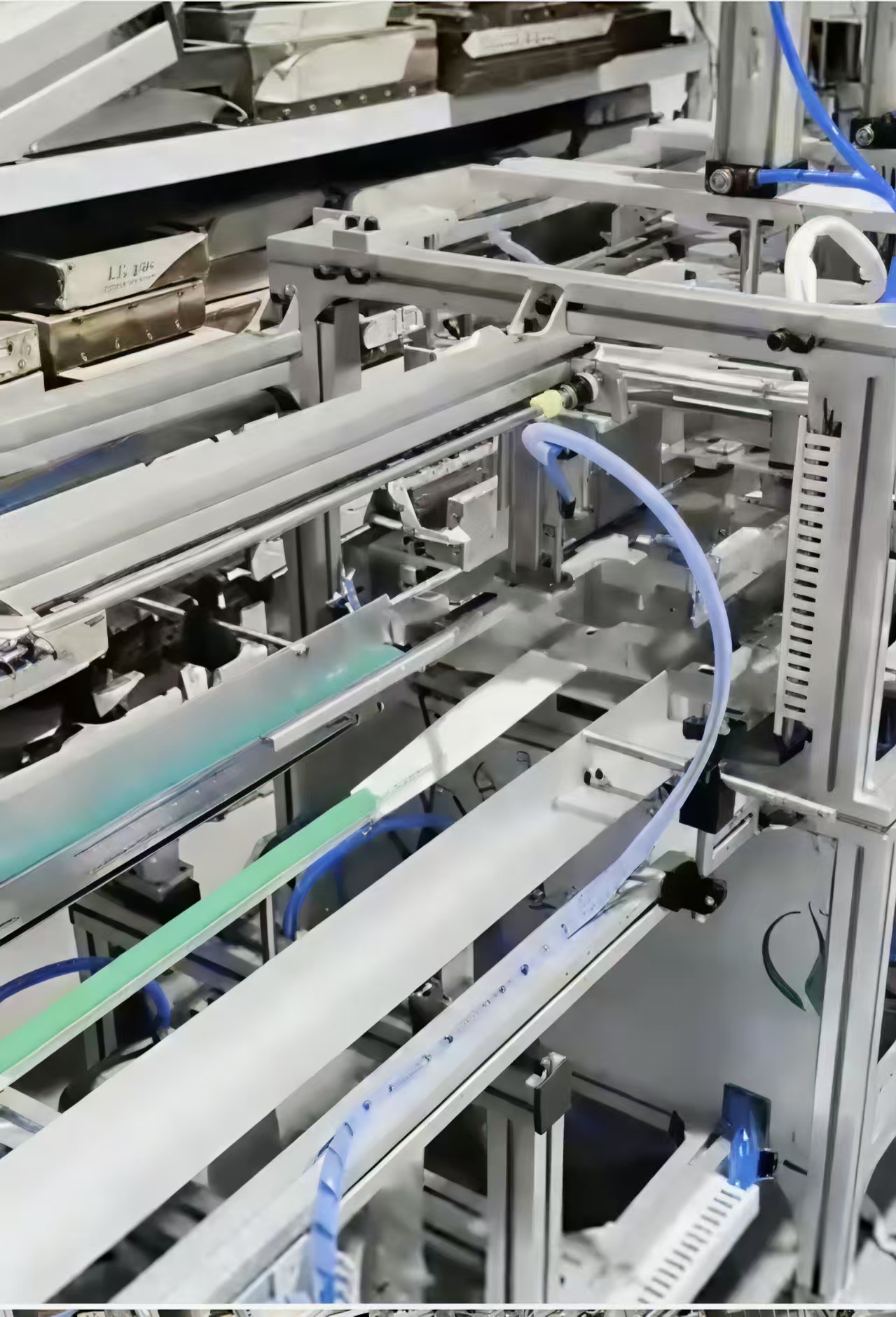
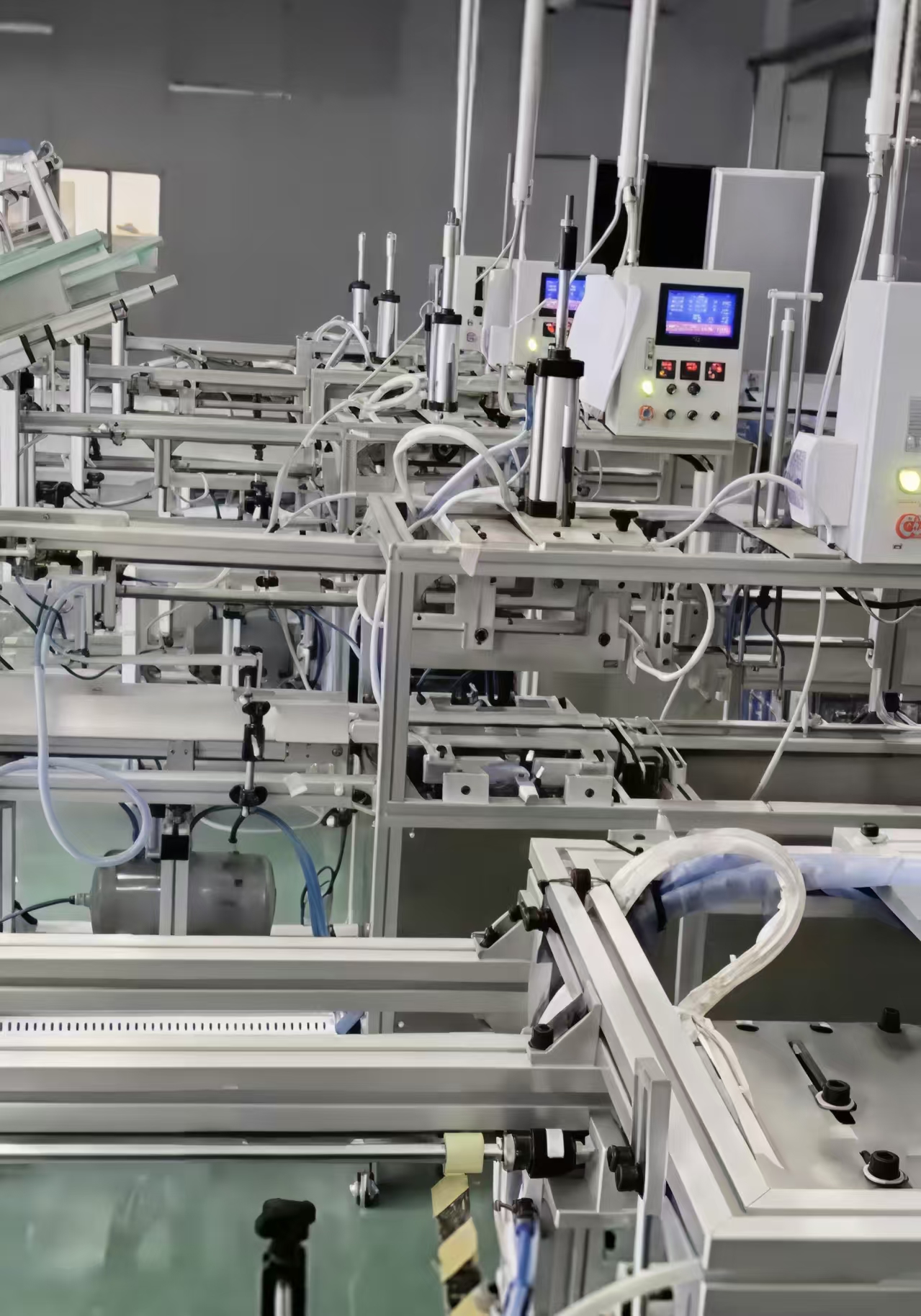
  • We have a 5000 square meter packaging equipment production base with a research and development center, advanced production and processing equipment and technology, and efficient and high-quality production capacity. The equipment is directly delivered to customers without intermediaries.
  • With quality as the core, our packaging equipment is reliable in quality and strong in durability. Through strict quality control, we ensure the stability of the equipment and have gained unanimous recognition from numerous customers. We offer the same service, quality, and after-sales service nationwide.
  • We can design and produce according to customers' packaging needs, meeting their special process requirements, production volume requirements, and production environment requirements, including but not limited to equipment size, shape, function, and performance, thereby improving packaging efficiency and product quality.
  • Through on-site operation demonstrations, mobile phone videos, and other training methods, technical knowledge is disseminated to operators, and they are guided to operate correctly, solve technical difficulties, and improve work efficiency and quality.

Service Hotline:

13922945788
  • The integration of additive manufacturing (3D printing) technology with traditional thermoforming folding machines is pioneering new paradigms in packaging manufacturing, providing innovative solutions for personalized and complex packaging.
  • ​Hazardous goods packaging imposes extreme requirements on safety and reliability. Fully automatic thermoforming edge folding machines have developed specialized safety protection technologies in this field. Fully automatic thermoforming two-fold machines are used in basic hazardous goods packaging, such as chemical containers and small battery packaging. Basic safety designs include: Explosion-proof design – the equipment utilizes explosion-proof motors and electrical components that comply with ATEX or IECEx standards to prevent electrical sparks from causing hazards; Corrosion-resistant materials – parts in contact with chemicals are made of stainless steel 316L or coated with special materials to resist acid and alkali corrosion;
  • Sustainability has become a core issue in the global packaging industry. Thermoforming folding machines face unique challenges and have made significant technological breakthroughs in handling new environmentally friendly materials. Fully automatic thermoforming two-fold machines are maturing in processing basic eco-friendly materials, such as recycled PET (rPET) and recycled PP (rPP). Technological adaptations include: Material Uniformity Compensation – as the performance of recycled materials can vary significantly between batches, equipment compensates for differences through online thickness detection and real-time parameter adjustment; Impurity Tolerance Design – key
  • ​The remote monitoring and intelligent diagnostics system is a key feature of modern thermoforming folding machine intelligence, significantly enhancing equipment availability, reducing downtime, and optimizing maintenance strategies. The remote monitoring of fully automatic thermoforming edge folding machines has evolved from basic data collection to intelligent analysis. Traditional monitoring primarily focused on collecting running/stopped status and production data. Modern systems achieve comprehensive monitoring: multi-parameter sensor networks collect data such as vibration, temperature, current, and pressure, with sampling frequencies reaching up to 100Hz;
  • Predictive maintenance systems are at the core of the intelligence of modern fully automatic vacuum forming folding machines. By providing early warnings of potential faults, they significantly improve equipment availability and reduce maintenance costs. The predictive maintenance of two-fold machines has evolved from basic runtime counting to today's multi-parameter intelligent monitoring. Early two-fold machines relied on periodic maintenance and post-failure repairs, with Overall Equipment Effectiveness (OEE) typically ranging from 70% to 75%. Modern two-fold
  • Cold chain packaging imposes special requirements for temperature control and material performance. The application of fully automatic vacuum forming folding machines in this field requires specialized design for low-temperature environments. Two-fold machines are primarily used in cold chain packaging for basic products such as ice pack trays and frozen food containers. Low-temperature environment adaptability design includes: selection of low-temperature-resistant materials, with critical components using materials with good low-temperature toughness, such as special aluminum alloys and low-temperature engineering plastics, ensuring mechanical
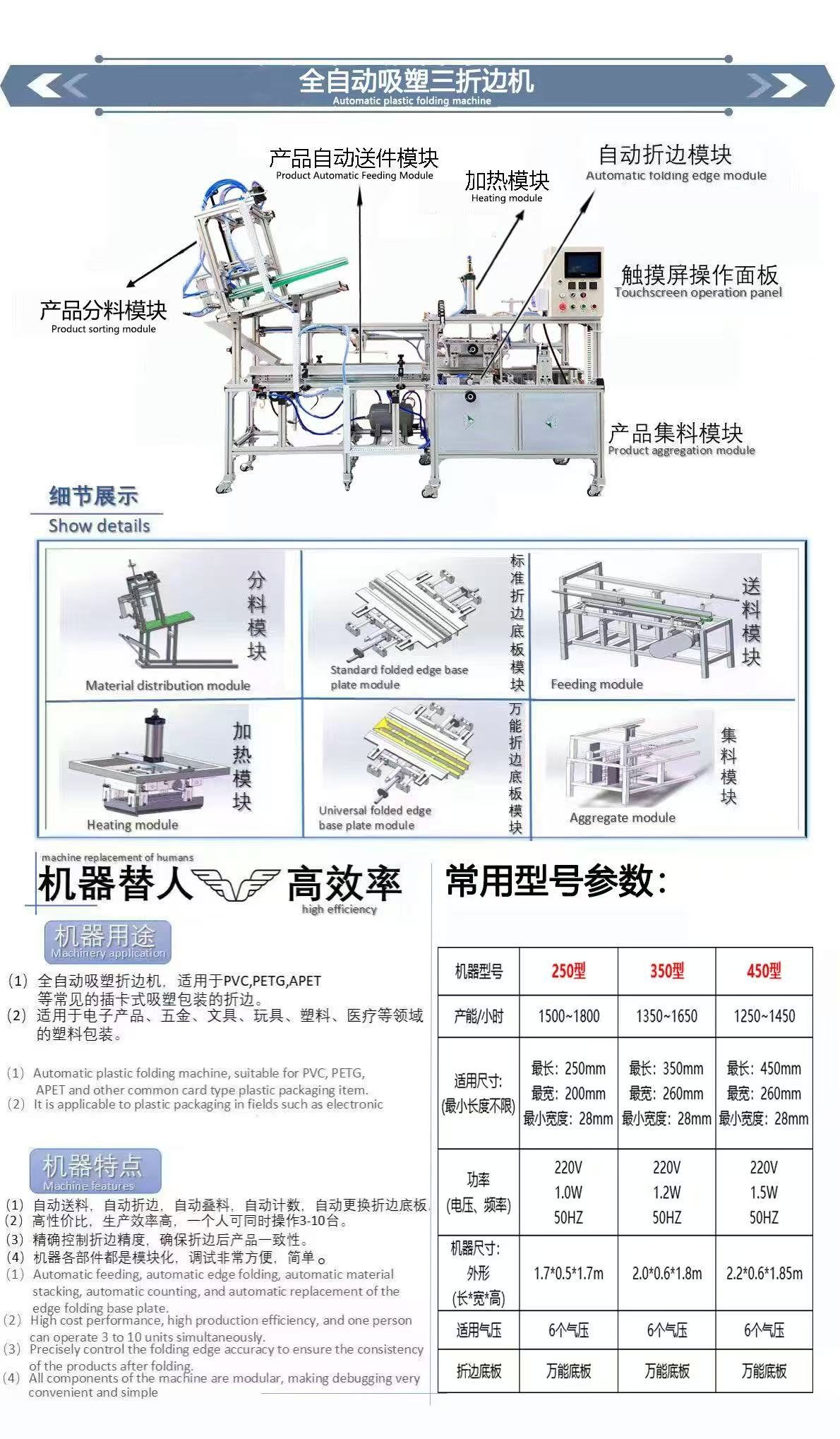
  • Modular upgrading is an effective approach to extend the service life of vacuum forming and folding machines and adapt to technological advancements, with different equipment offering differentiated upgrade paths. The modular upgrades for fully automatic two-fold vacuum forming machines primarily target functional expansion and performance enhancement. The basic upgrade package includes: Servo drive upgrade, replacing pneumatic drives with servo drives, improving accuracy from ±1.5mm to ±0.8mm and reducing energy consumption by 35%; Intelligent control upgrade, replacing traditional PLCs with PC-based control systems, adding data acquisition and network communication functions; Safety system upgrade, installing light curtains, safety relays, etc., raising the safety level from Category B to Category 3. The advanced upgrade package may include: Vision guidance system for automatic positioning and product quality inspection; Robot integration interface to support automatic loading; Energy monitoring module for real-time energy consumption monitoring and analysis. An upgrade case from a packaging company showed that modular upgrades on a two-fold machine increased equipment accuracy by 50%, speed by 30%, and functionality by 200%, while the cost was only 40% of a new machine. The upgrade strategy adopted a phased implementation, prioritizing modules with the greatest impact on production to minimize downtime. The modular upgrades for fully automatic three-fold vacuum forming machines are more comprehensive, involving mechanical, electrical, and software aspects. The mechanical upgrade package includes: High-precision transmission components, replaced with preload-adjustable ball screws and linear guides, improving accuracy from ±0.8mm to ±0.3mm; Quick mold change system to reduce product changeover time; Expanded work area to accommodate larger-sized products. The electrical upgrade package includes: Distributed drive system with independent servo drives for each axis, improving synchronization performance; Industrial Ethernet communication, replacing traditional fieldbuses, increasing data transmission speed by 10 times. The software upgrade package includes: Advanced motion control algorithms to optimize motion curves and reduce vibration; Process parameter optimization software to automatically find the best folding parameters; Predictive maintenance software to forecast failures based on equipment data analysis. An upgrade project at an electronics packaging plant demonstrated that a three-fold machine achieved 85% of the performance of a new machine through modular upgrades, at 55% of the cost, with an upgrade cycle of only 3 weeks, compared to a 12-week delivery time for a new machine purchase. The modular upgrades for fully automatic four-fold vacuum forming machines represent the highest level of equipment upgrade technology, achieving a true "hardware as a platform, software-defined functionality." The platform-based upgrade architecture includes: A core platform that remains unchanged, including the frame, basic transmission, etc.; Upgradable functional modules, such as folding head modules, heating modules, control modules, etc.; Continuously updated software systems adding new functions and algorithms. The most advanced upgrade solutions are: Performance upgrade packages, such as upgrading the drive system to direct-drive motors, improving accuracy to ±0.1mm; Intelligent upgrade packages, adding AI modules for autonomous optimization; Service upgrade packages, connecting to the manufacturer's cloud service platform for remote support and predictive maintenance. The technology iteration strategy of a high-end packaging enterprise adopts a rhythm of "5-year platform, 3-year module, 1-year software," ensuring the equipment stays at the technological forefront. The cumulative upgrade cost is 30% of five new equipment purchases, while performance remains above 90% of new equipment.
  • Fast-Moving Consumer Goods (FMCG) packaging imposes extremely high demands on production speed and efficiency. The application of Mayue Intelligent Equipment's fully automatic vacuum forming folding machines in this field requires specialized optimization for high speed and efficiency. Two-fold machines are primarily used in FMCG packaging for high-volume, widely distributed products such as disposable tableware and simple food containers. High-speed design includes: optimizing motion trajectories to reduce idle travel time, shortening cycle time from 2.5 seconds to 1.8 seconds; dual-station or multi-station designs, where one station performs folding while another loads materials, theoretically increasing capacity by 80%–100%; quick mold change
  • The safety protection system is the primary consideration in the design of fully automatic vacuum forming folding machines, directly affecting operator safety and equipment reliability. The safety design of two-fold machines has evolved from basic physical protection to today's intelligent safety systems. Traditional two-fold machines employ basic safety measures such as fixed protective covers, mechanical interlock devices, and emergency stop buttons.
  • The control system serves as the "brain" of a fully automatic vacuum forming folding machine, and its architectural evolution directly determines the equipment's level of intelligence and expandability. The control system of two-fold machines has developed from simple relay logic to today's open intelligent control. Early two-fold machines adopted a standard architecture of PLCs coupled with touchscreens, with fixed functionalities and limited expansion capabilities. Modern two-fold machine control systems have achieved significant innovations: PC-based control
  • The thermal management system plays a vital role in fully automatic vacuum forming folding machines, not only affecting material forming quality but also directly impacting equipment energy consumption and operational stability. The thermal management of two-fold machines is relatively simple but holds significant energy-saving potential. Traditional two-fold machines use constant-temperature heating methods, maintaining fixed temperatures regardless of production status, leading to severe energy wastage. The modern fully automatic two-fold machine thermal
  • The safety protection system is one of the most critical parts of blister folding machine design, directly impacting the personal safety of operators and the reliable operation of the equipment. Safety protection in modern blister folding machines has evolved from simple guards to multi-layered, intelligent integrated safety systems that comply with numerous international and domestic safety standards and regulatory requirements.
  • 2026/02/27
  • Quality control and inspection systems are vital components of modern automatic blister folding machines. Their technological level and degree of integration directly impact the product pass rate and production stability. From traditional manual spot checks to current online full inspection, quality control technology has undergone significant evolution, forming a multi-level, comprehensive quality assurance system.
  • Pneumatic and hydraulic systems provide the power for the actuators of blister folding machines. Their performance directly impacts the equipment's operating speed, pressure accuracy, and reliability. Modern blister folding machines utilize various power solutions, including pure pneumatic, combined pneumatic-hydraulic, and pure hydraulic systems, forming a comprehensive technological framework to meet different application requirements.
  • The feeding and positioning system is a critical link affecting the production efficiency and product quality of blister folding machines. Its performance directly determines the equipment's automation level and processing accuracy. The feeding and positioning systems of modern blister folding machines have evolved from simple manual operation to fully automatic intelligent systems, forming various technical solutions to meet different application needs.
  • The heating system is one of the core components of an automatic blister folding machine, and its performance directly affects folding quality and production efficiency. The heating systems of modern blister folding machines have evolved from simple resistance heating to complex intelligent temperature control systems, forming diverse technological pathways.
  • The long-term precision retention capability of fully automatic thermoforming folding machines is a key indicator of equipment quality, directly impacting product consistency and equipment service life. The precision retention of two-fold machines has evolved from passive maintenance to active retention. Traditional two-fold machines experience gradual precision degradation during use, with an annual precision drift of up to ±0.5mm. Modern two-fold machines employ multiple precision retention technologies: pre-stressed structural design keeps key components stable under force, reducing deformation during use; wear-resistant materials such as hardened steel rails and ceramic-coated bearings reduce wear rates by 60%;
  • The trend of personalized packaging presents new requirements for the flexible manufacturing capabilities of thermoforming folding machines, with different equipment offering varied solutions in this field. Fully automatic thermoforming two-fold machines primarily address simple customization needs in personalized packaging, such as basic packaging in different sizes and colors. Flexible manufacturing technologies include: quick mold change systems utilizing modular molds, reducing changeover time from 30 minutes to 5 minutes; parametric programming allowing operators to input product dimensions to automatically generate folding programs without specialized programming skills;
  • As a core component of the packaging production line, the thermoforming folding machine’s degree of intelligent logistics integration with upstream and downstream equipment directly impacts overall production efficiency. In production line integration, the two-fold machine typically operates as an independent unit. Its logistics integration is relatively simple but still offers room for optimization. Basic integration solutions include: standardized interfaces for mechanical docking with loading machines and stackers,
  • The level of automation is a key indicator of the modernization of folding machines. Basic two-fold machines are typically equipped with PLC control systems to achieve basic action sequence control. Their operation interfaces are relatively simple and rely on manual feeding and quality inspection, resulting in limited automation.
  • High-end medical packaging imposes extremely strict requirements on sterility, sealing, and long-term stability. Fully automatic blister quad-flanging machines are precisely designed to meet these special needs for. Medical packaging typically needs to meet ISO 13485 and FDA quality standards, with equipment ensuring packaging integrity达到10^-6. Through, quad-flanging machines provide for medical products.
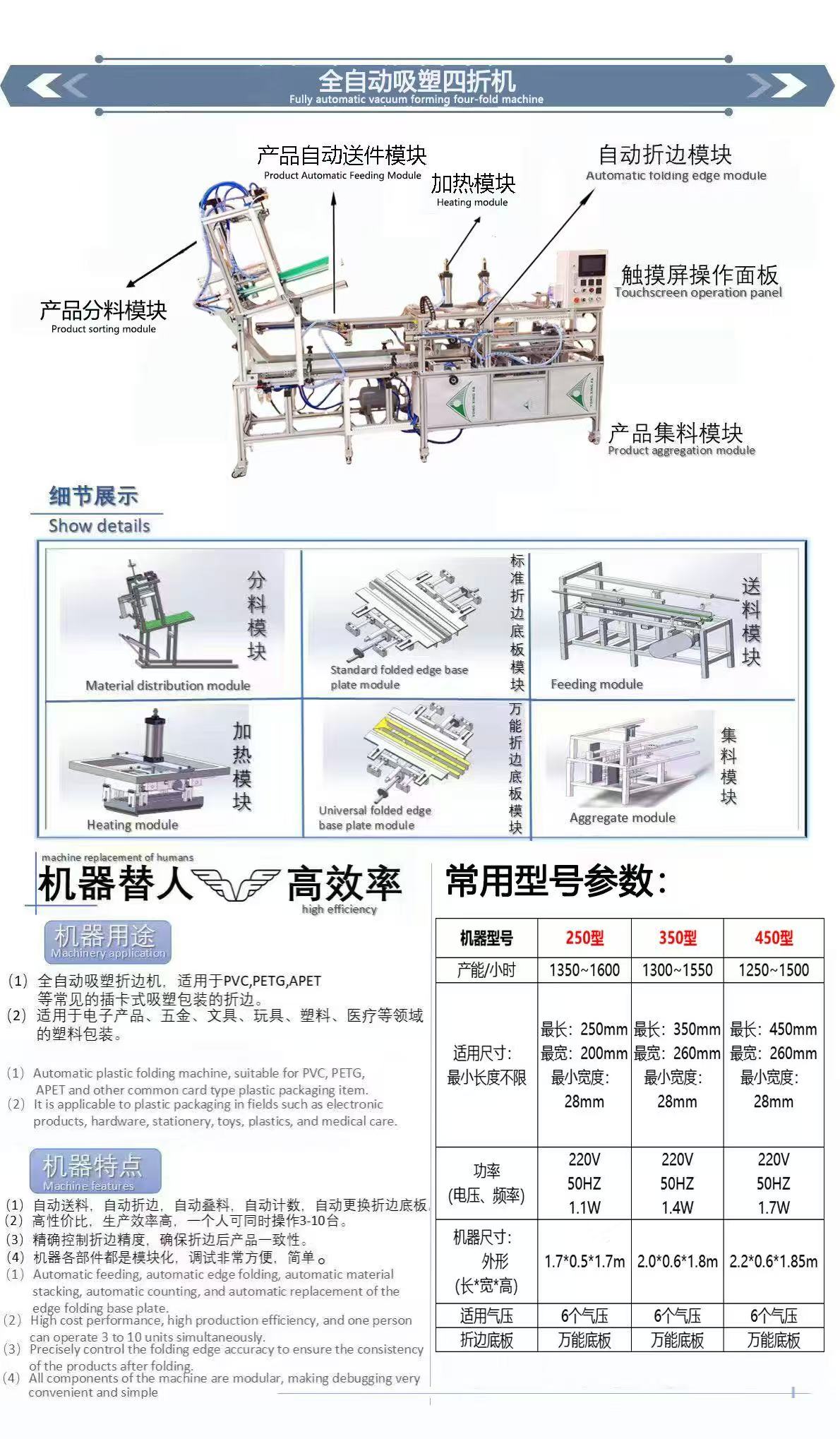
  • Fully automatic blister quad-flanging machines, as technical benchmarks in the packaging equipment industry, represent the highest level of current automated packaging machinery. This equipment adopts four-axis synchronous servo control systems, with each flanging unit equipped with independent force control sensors and displacement detection devices, achieving nanometer-level precision control. The new thermal management system uses zoned independent temperature control technology, automatically adjusting heating power according to material thickness and density, ensuring uniform heating on all four flanging edges, with temperature control accuracy reaching ±0.5℃.
  • 2025/10/21
  • 2025/10/21
  • 2025/10/21
  • In the context of the rapid development of the modern packaging industry, the automation and high efficiency of packaging equipment have become the core elements for enterprises to enhance their competitiveness. As a key equipment in blister packaging processing, the automatic blister flanging machine has completely changed the limitations of traditional manual flanging and semi - automatic equipment by virtue of its precise flanging process and efficient production capacity. It has become an indispensable production tool in many industries such as food, medicine,
  • 2025/10/21

13922945788

michaeltang1968@163.com

Building 8, No. 219, Zhongtang Section, Beiwang Road, Zhongtang Town, Dongguan City, Guangdong Province

  • WeChat
Copyright © 2024 Dongguan Mayue Intelligent Equipment Co., Ltd  粤ICP备2024328812号
Service Hotline: 13922945788

Contact Us

13922945788

WeChat